
Ingredients
Ashwagandha is a well-known adaptogenic herb that may help manage stress and anxiety, which can contribute to addictive behaviors. It may also support better sleep quality and potentially help reduce cravings.
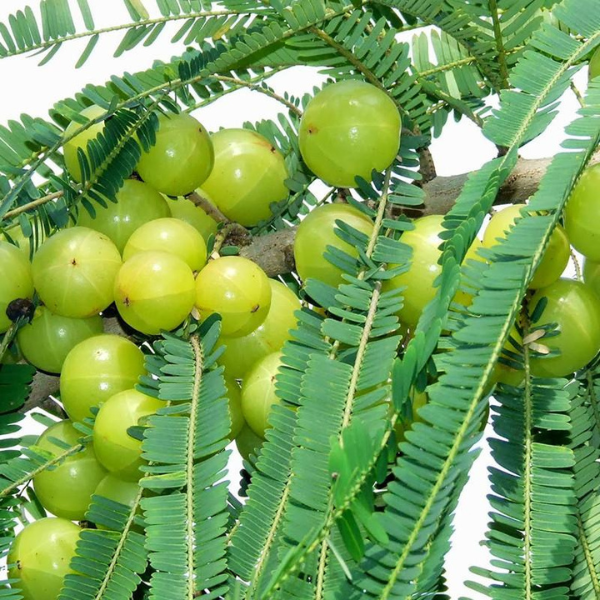
Amla
Known as Indian gooseberry, Amla is a nutrient-rich Ayurvedic herb packed with antioxidants and vitamin C. It may support healthy skin, improve skin texture, and promote a naturally radiant complexion.
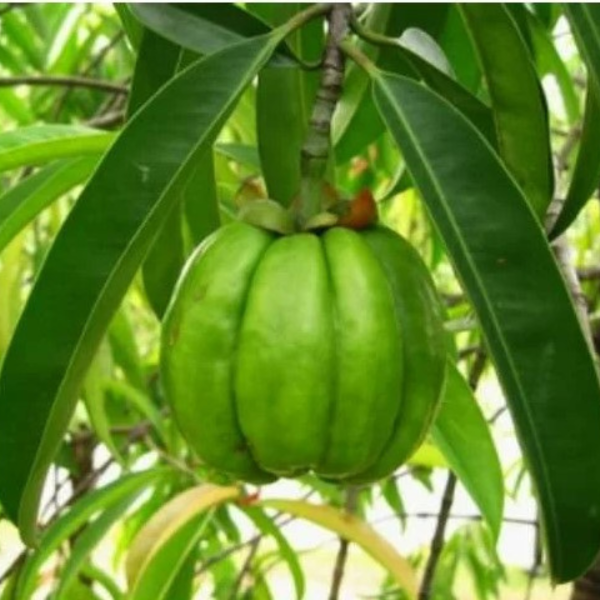
Vrikshamla
Vrikshamla, also known as Garcinia, contains naturally occurring Hydroxycitric Acid (HCA). It is traditionally used in Ayurvedic wellness practices to support healthy metabolism and appetite management. Vrikshamla may complement a balanced diet and regular physical activity as part of a holistic approach to healthy weight management.
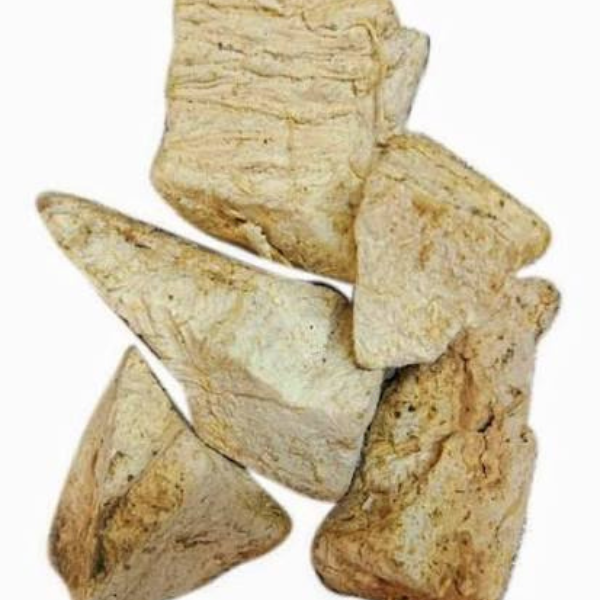
Vidarikand
Vidarikand is a traditional Ayurvedic Rasayana herb valued for its nourishing and rejuvenating properties. It is commonly used to support metabolic wellness and healthy blood sugar balance. According to traditional Ayurvedic principles, Vidarikand may also help promote digestive balance and overall vitality when included as part of a healthy lifestyle.

Shilajit
Shilajit is a mineral-rich natural substance traditionally used in Ayurveda as a rejuvenating and revitalizing ingredient. It contains fulvic acid and various naturally occurring minerals and is commonly associated with supporting energy, stamina, cognitive wellness, and overall vitality. Shilajit is particularly popular in traditional men's wellness formulations.
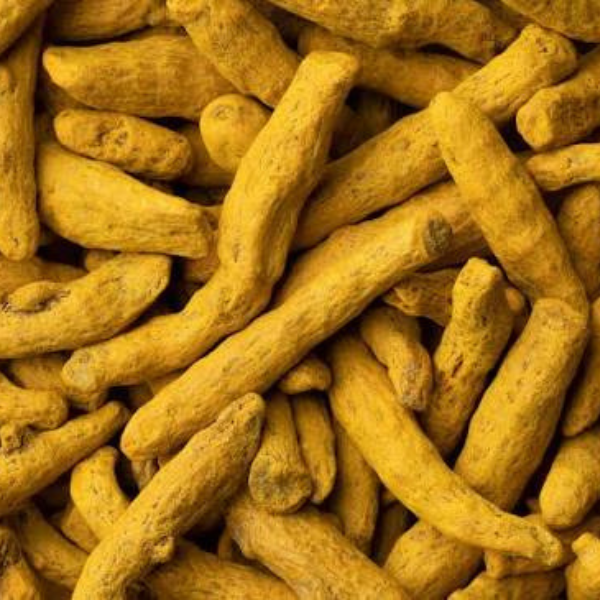
Turmeric
Turmeric is one of the most widely used Ayurvedic spices and is naturally rich in curcumin and other beneficial plant compounds. Traditionally valued for its antioxidant and anti-inflammatory properties, turmeric may support joint comfort and overall wellness. It is commonly included in Ayurvedic approaches to maintaining healthy mobility and an active lifestyle.
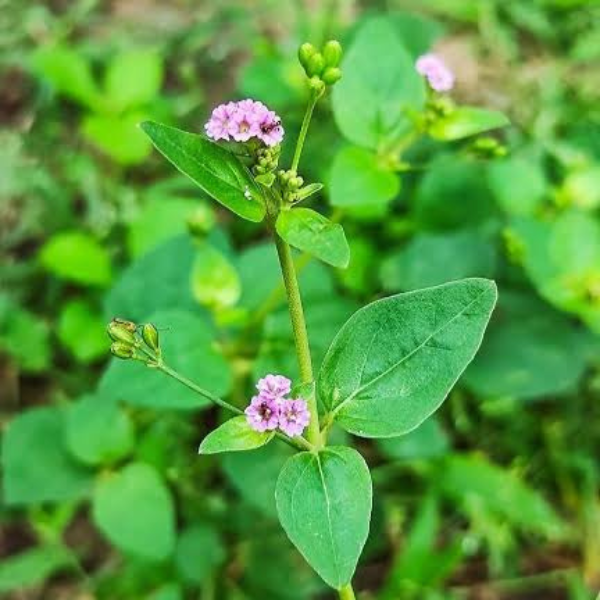
Punarnava
Punarnava is a traditional Ayurvedic herb known for its rejuvenating and diuretic properties. It is commonly used to support healthy fluid balance and urinary tract wellness. Punarnava is also valued in Ayurveda for supporting kidney function, healthy circulation, and overall vitality.
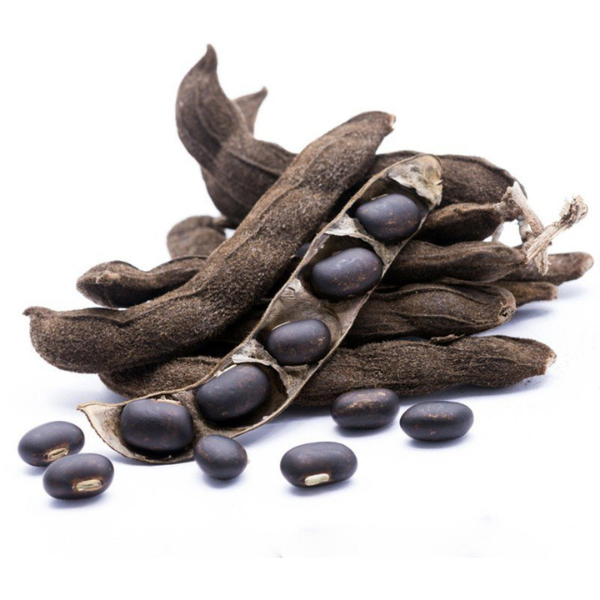
Kaunch Beej
Also known as Velvet Bean or Mucuna pruriens, Kaunch Beej is a traditional Ayurvedic herb naturally containing L-DOPA. It is commonly used in Ayurvedic formulations to support men's vitality, reproductive wellness, physical strength, and overall energy. It may also contribute to healthy mood and stress management as part of a balanced wellness routine.
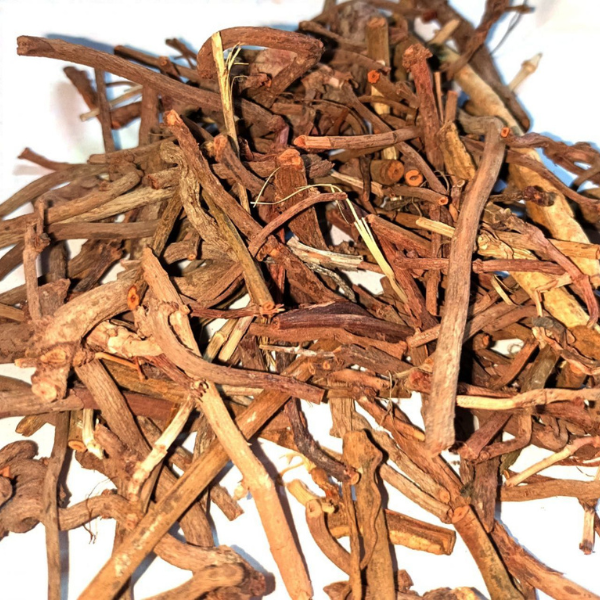
Manjistha
Manjistha is a highly valued Ayurvedic herb traditionally known for its cleansing and Pitta-balancing properties. It is commonly used to support healthy skin and circulation and is valued for its antioxidant properties. Manjistha is often included in Ayurvedic skincare and wellness preparations for maintaining a clear, healthy-looking complexion.
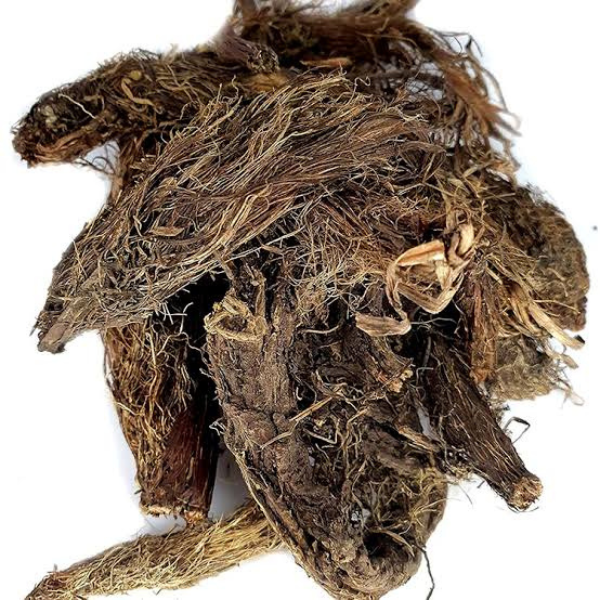
Jatamansi
Jatamansi is a traditional Ayurvedic herb valued for its soothing, antioxidant, and skin-supporting properties. It is commonly used in Ayurvedic preparations designed to promote healthy-looking skin and help maintain its natural softness and moisture. Jatamansi is also traditionally associated with relaxation and emotional well-being.
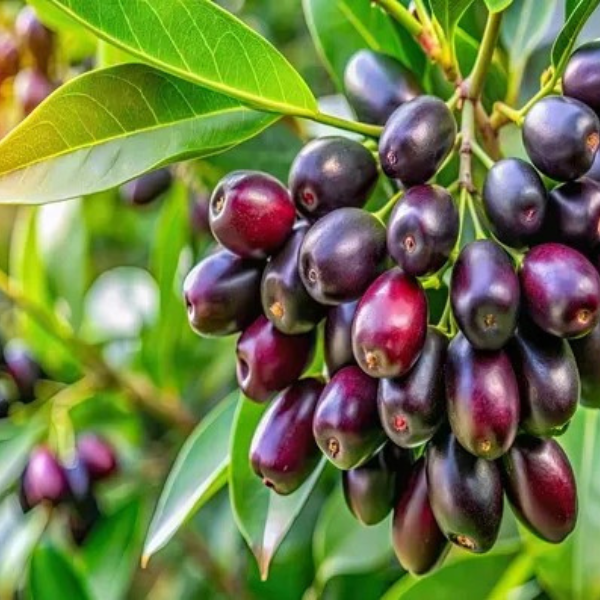
Jamun
Jamun, or Indian Blackberry, is a fruit traditionally valued in Ayurveda for its nutritional and antioxidant properties. It contains naturally occurring vitamins and plant compounds that may support digestive and metabolic wellness. Jamun is also commonly included in traditional approaches focused on maintaining healthy blood sugar levels.
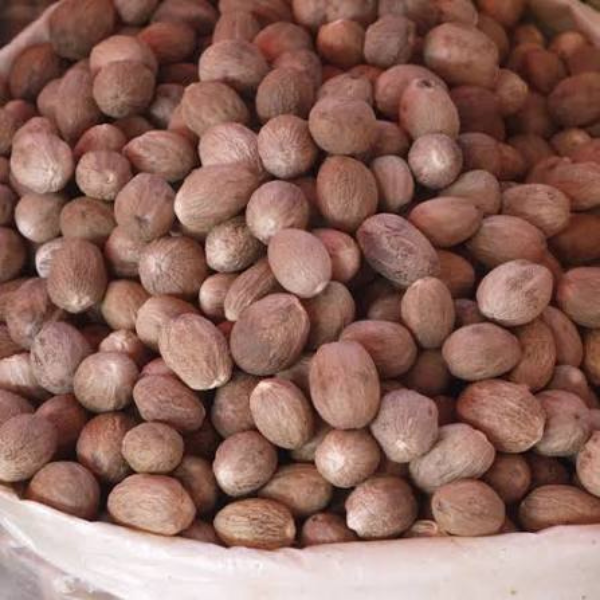
Jaiphal
Jaiphal, commonly known as Nutmeg, is a traditional Ayurvedic spice valued for its digestive and soothing properties. It has traditionally been used in formulations intended to support comfortable digestion and reduce occasional bloating or gas. Its naturally occurring compounds also contribute to its traditional use for general wellness.
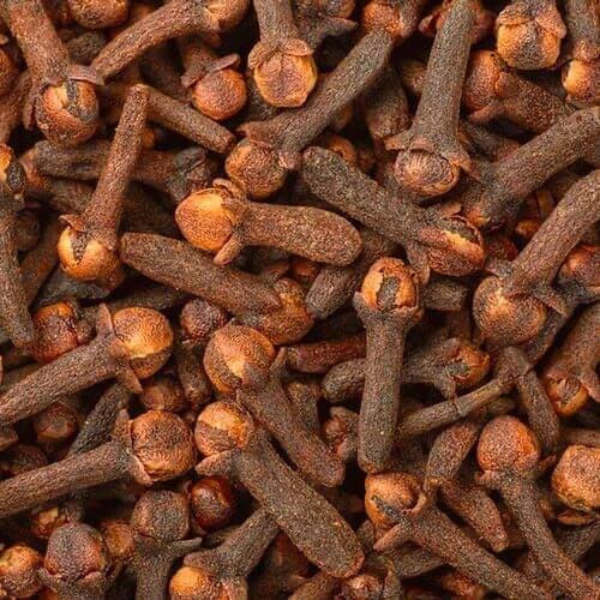
Clove
Clove is an aromatic Ayurvedic spice rich in naturally occurring antioxidants, including eugenol. Traditionally valued for its soothing and anti-inflammatory properties, clove is commonly used to support oral, digestive, and general wellness. Its nutrient profile also makes it a beneficial addition to a balanced approach to bone and overall health.
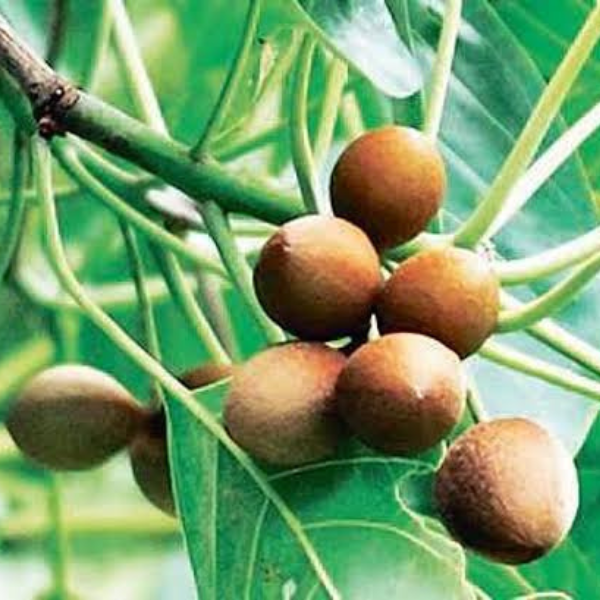
Baheda
Baheda, also known as Terminalia bellirica, is an important herb in traditional Ayurveda and a key ingredient in Triphala. It is valued for its antioxidant and anti-inflammatory properties and is traditionally used to support respiratory and digestive wellness. Baheda may also contribute to overall immune and general health support.
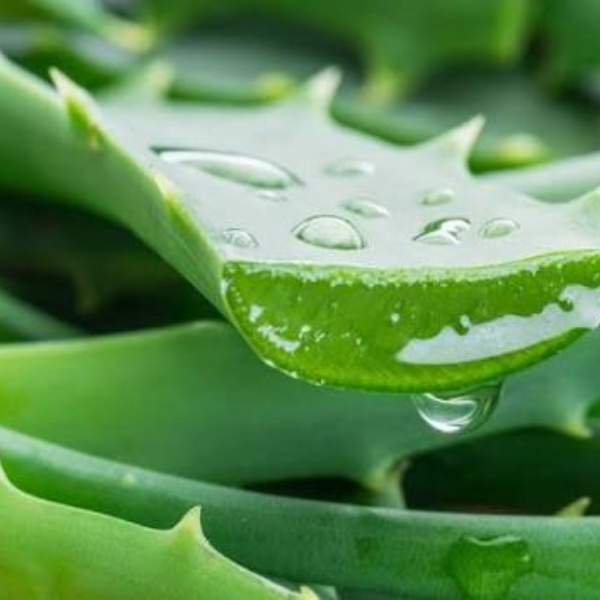
Aloe Vera
Aloe Vera is a versatile Ayurvedic plant traditionally valued for digestive and skin wellness. Its soothing properties make it a popular ingredient in skincare preparations designed to maintain hydrated, soft, and healthy-looking skin. Aloe Vera is also traditionally used to support comfortable digestion and regular bowel movements.
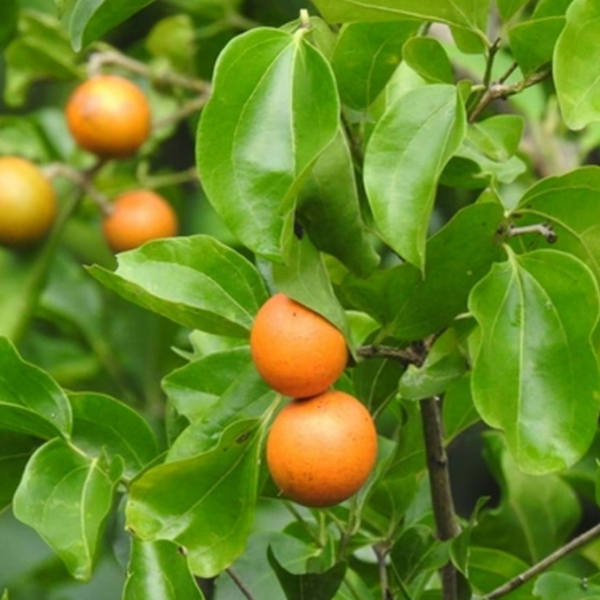
Shudh Kuchla
Shudh Kuchla, when properly processed and used in appropriate Ayurvedic formulations, has traditionally been associated with digestive wellness. It has been used in Ayurveda for its traditional carminative and digestive properties. Because Kuchla requires proper purification and formulation, it should only be used under qualified Ayurvedic guidance.
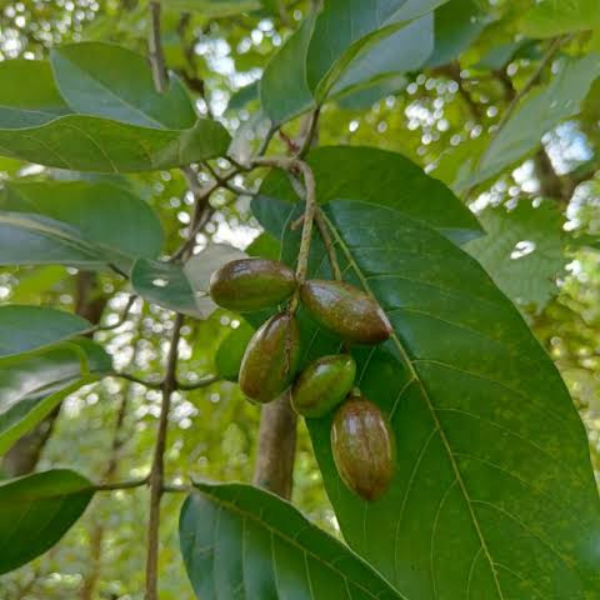
Bach
Bach Flower Remedies are traditionally used as natural approaches to emotional well-being. Different flower essences are associated with various emotional states, including worry, fear, stress, and sadness. They are commonly incorporated into personal wellness routines aimed at promoting emotional balance, calmness, and a positive state of mind.
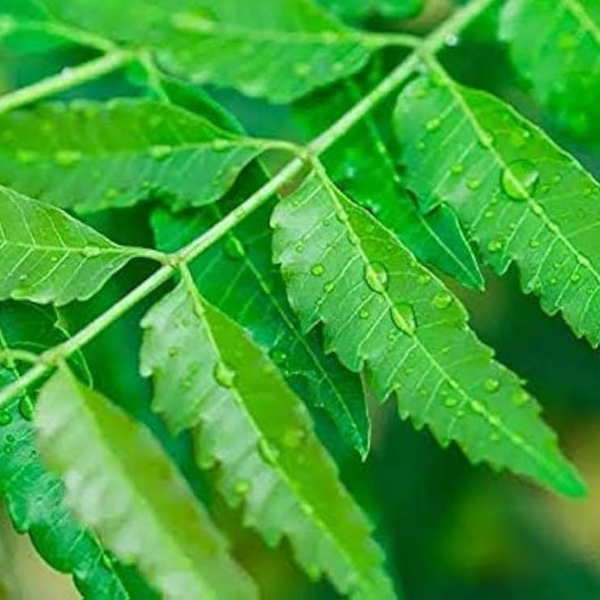
Neem
Neem is a renowned Ayurvedic herb known for its antioxidant and traditionally cleansing properties. It is commonly used to support healthy skin and may be beneficial for maintaining a clear complexion. Neem is also traditionally valued for supporting the body's natural defenses and overall wellness.
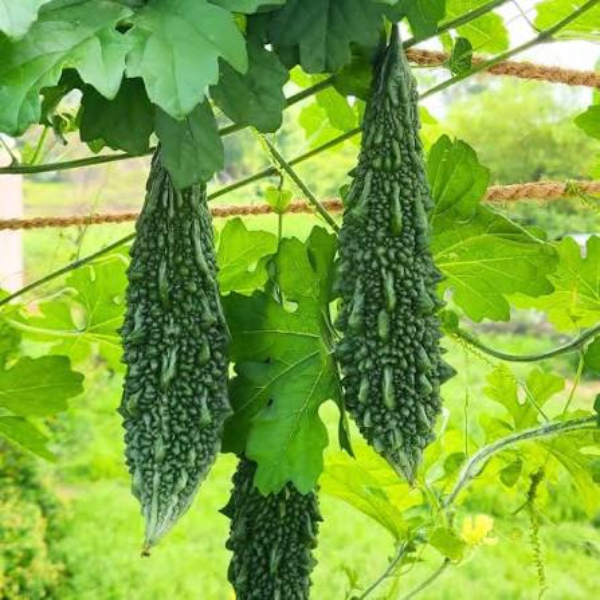
Karela
Karela, or bitter melon, is a traditional Ayurvedic ingredient widely used for metabolic wellness. It contains naturally occurring compounds that may support healthy glucose metabolism and the body's ability to utilize glucose. Karela is commonly included in wellness routines focused on maintaining balanced blood sugar levels and overall metabolic health.
Haritaki
Often referred to in Ayurveda as the “King of Medicines,” Haritaki is traditionally valued for its digestive and rejuvenating properties. It is commonly used to support regular bowel movements and healthy digestion. Haritaki may be particularly useful as part of traditional Ayurvedic approaches to occasional constipation and digestive discomfort.
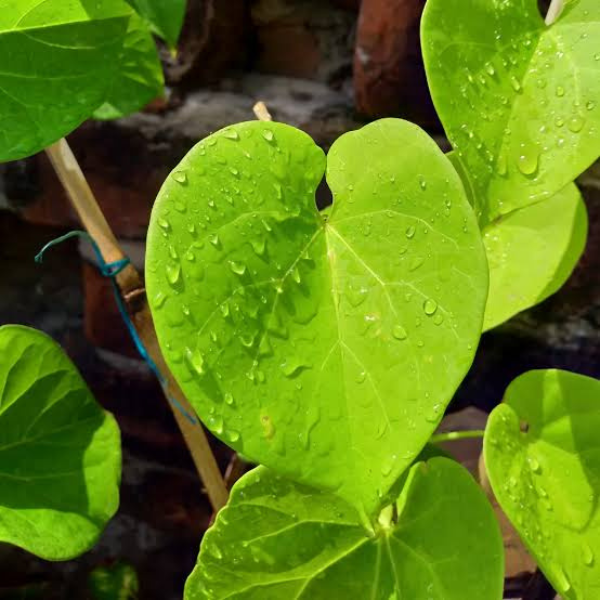
Giloy
Giloy, also known as Tinospora cordifolia, is a highly regarded Ayurvedic herb traditionally used to support immunity and general wellness. Its antioxidant properties may help the body manage oxidative stress. Giloy is also valued in traditional Ayurveda for its rejuvenating properties and support for healthy, glowing skin.
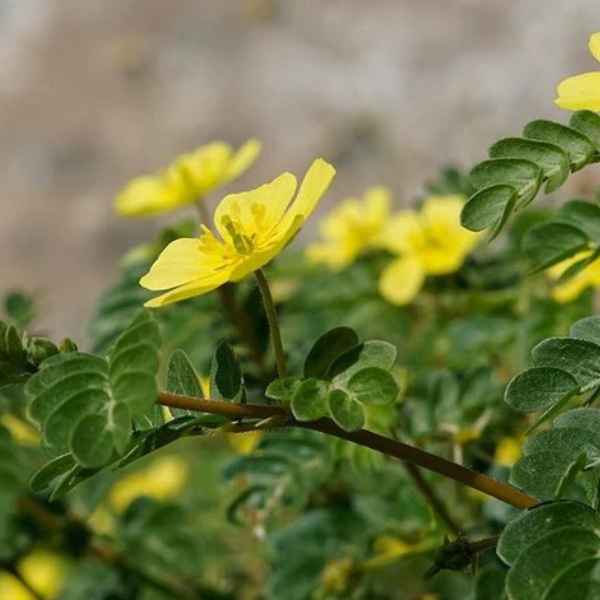
Gokshura
Gokshura is a traditional Ayurvedic herb valued for its Vrishya properties and its role in supporting men's wellness. It is commonly used in Ayurvedic formulations aimed at promoting vitality, stamina, reproductive health, and hormonal balance. Gokshura may also support relaxation and overall physical well-being.
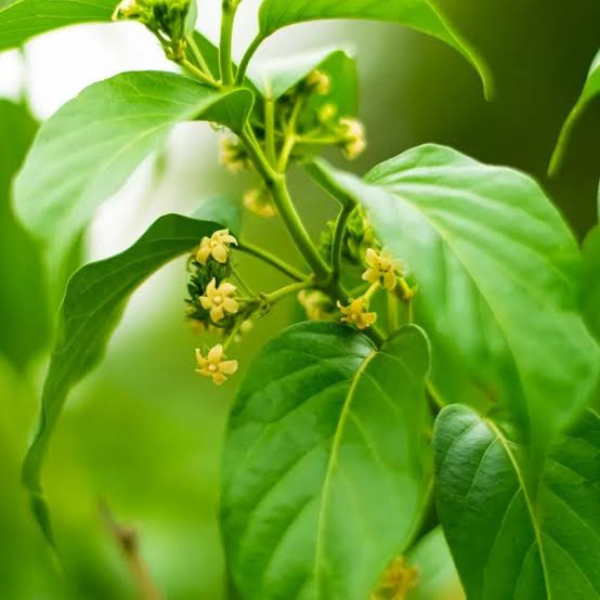
Gudmar
Known traditionally as “Sugar Destroyer,” Gudmar is an Ayurvedic herb commonly associated with metabolic and blood sugar wellness. Its natural compounds may influence the perception of sweetness and support healthy glucose metabolism. Gudmar is traditionally used alongside a balanced diet and healthy lifestyle to support overall metabolic health.
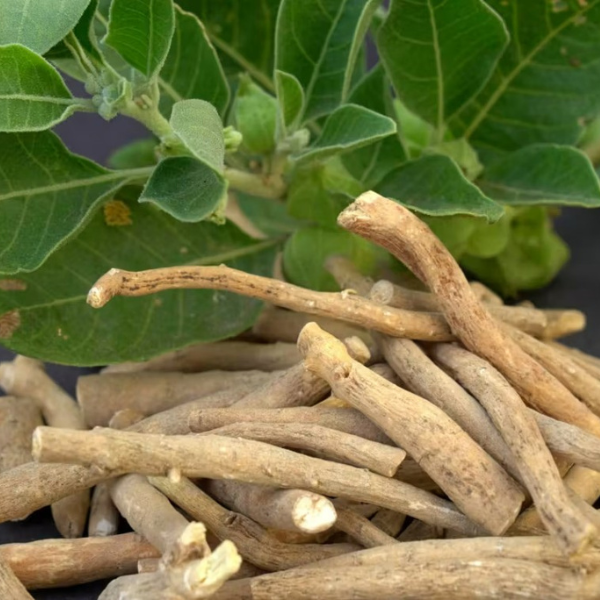
Ashwagandha
Also known as Indian Ginseng or Winter Cherry, Ashwagandha is one of the most popular Ayurvedic adaptogenic herbs. It is traditionally used to help the body cope with everyday stress and support energy, relaxation, sleep quality, and overall vitality. Ashwagandha is also valued for supporting mental clarity and general well-being.
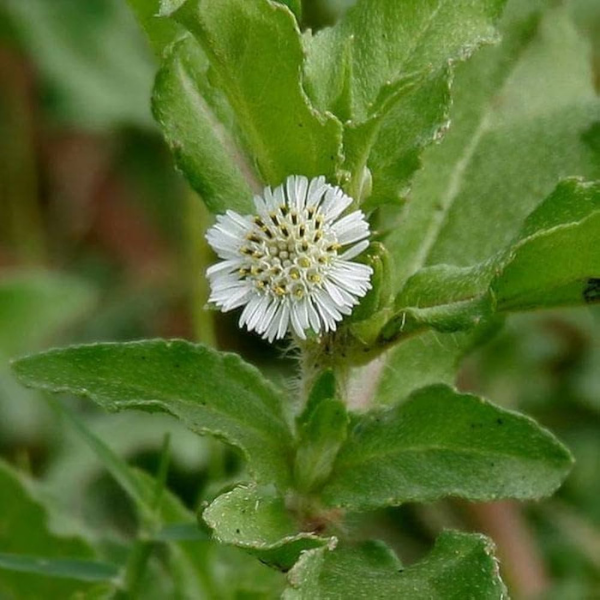
Bhringraj
Also known as Eclipta alba, Bhringraj has long been used in Ayurvedic hair and scalp care. It is traditionally valued for supporting healthy hair growth, strengthening hair strands, and maintaining scalp health. Regular use in Ayurvedic hair preparations may also help improve hair texture and support naturally healthy-looking hair.
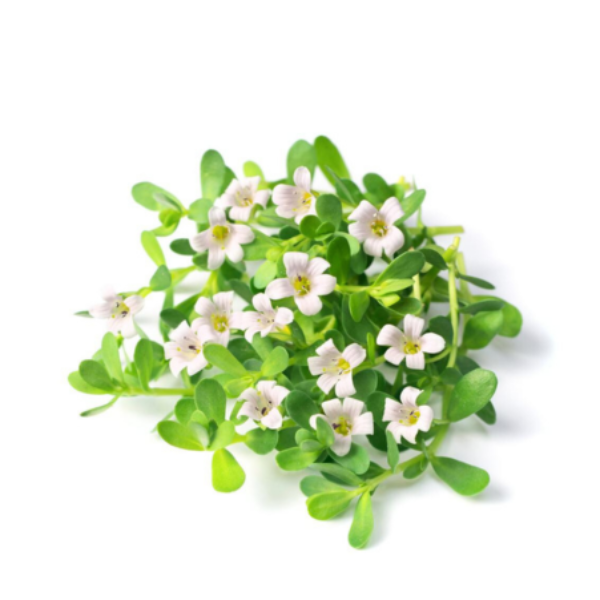
Brahmi
Brahmi is a well-known Ayurvedic herb traditionally associated with mental and cognitive wellness. Its natural compounds may support memory, concentration, learning, and overall cognitive function. Brahmi is also commonly used in Ayurveda as part of routines focused on relaxation, emotional balance, and mental well-being.
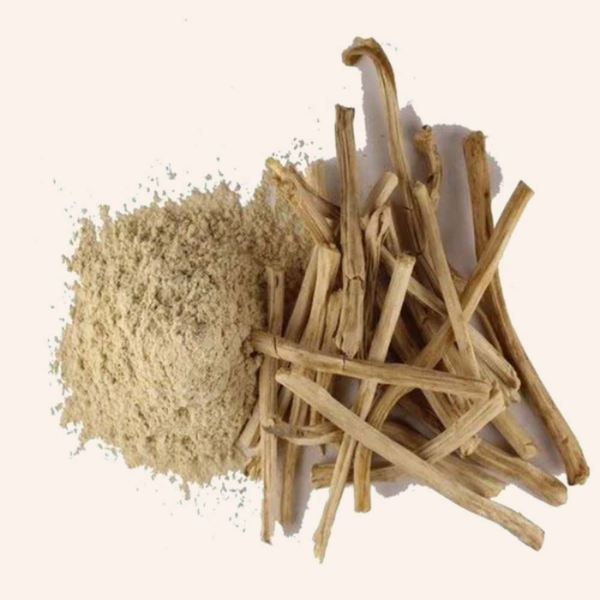
Shatavari
Shatavari is traditionally known as a women-focused Ayurvedic herb and is valued for its nourishing and rejuvenating properties. It is commonly used to support hormonal balance, menstrual wellness, and overall female health. Shatavari has also been traditionally used as a supportive herb for lactation and reproductive wellness.
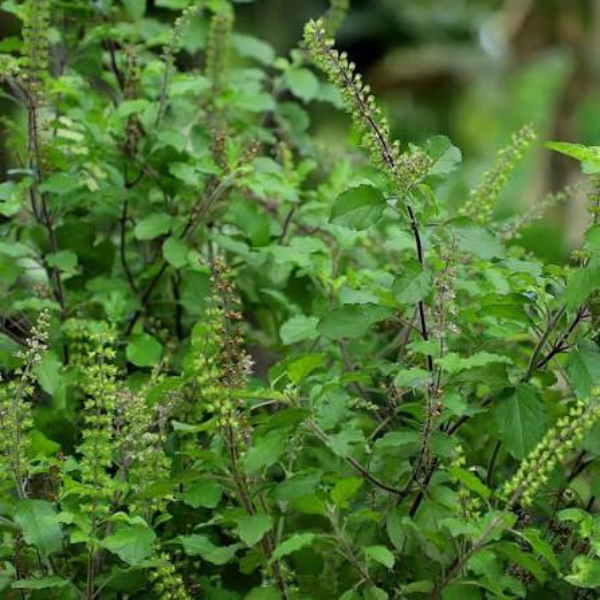
Tulsi
Often called the “Queen of Herbs,” Tulsi is one of the most valued herbs in Ayurveda. It contains naturally occurring antioxidant compounds and is traditionally used to support respiratory health, immunity, stress management, and overall wellness. Tulsi may also support healthy blood sugar and cholesterol levels when combined with a balanced lifestyle.
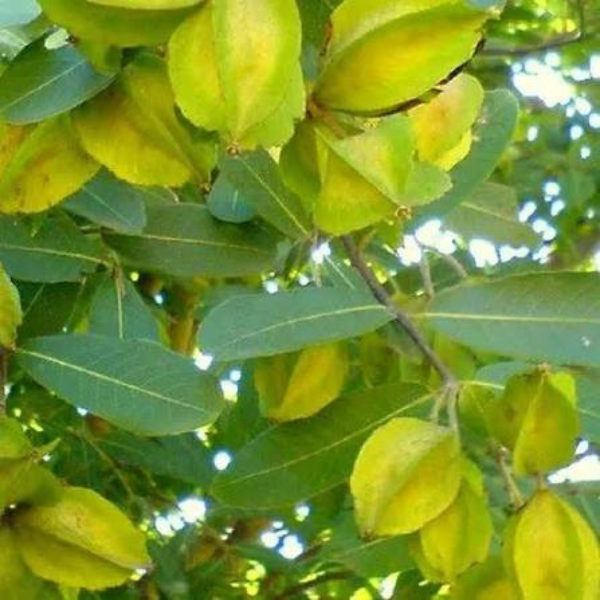
Arjuna
Arjuna is a traditional Ayurvedic herb widely recognized for its role in supporting cardiovascular wellness. Rich in naturally occurring antioxidants, it may help support healthy circulation and overall heart health. It has traditionally been included in Ayurvedic preparations designed to promote cardiovascular balance and vitality.